
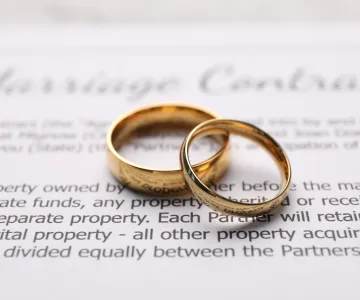


Being married in the UAE is a legal process, although most couples are required to register their marriage in their country of residence to make the union legally recognized in all aspects. This is commonly necessary for immigration, visa applications, taxation, succession rights, and updating civil records.
One of the questions people ask before getting married is:
What are the steps for registering our UAE marriage in our country?
This is done by legalizing documents, embassy authentication, and complying with the laws of your home country.
The following guide explains the importance of registration and the procedures required to ensure your UAE marriage is accepted abroad.
Reasons You Should Register Your UAE Marriage at Home
Even though the UAE marriage certificate is legally valid, registration in your home country ensures administrative and legal recognition.
Registration may be necessary for:
- immigration applications and spouse visas.
- updating marital status in national records.
- inheritance and succession rights.
- financial filings and tax benefits.
- social security and insurance benefits.
- child nationality and birth registration.
- legal claims and property ownership.
Failure to register the marriage may create difficulties when dealing with government authorities abroad.
Dubai Court Marriage
Consult with us: With over 20+ years of experience

When Registration Is Required
Requirements vary by country. Registration is typically necessary when:
- applying for spouse visa or family reunification.
- updating marital status in national records.
- applying for citizenship or permanent residence.
- registering children’s birth and nationality.
- claiming inheritance or legal rights.
Some countries require registration, while others only require document legalization.
Step-by-Step Process to Register a UAE Marriage Abroad
Step 1: Obtain the Official UAE Marriage Certificate
After the ceremony, obtain the certified UAE marriage certificate from the court or authorized authority.
Ensure:
- names are spelled correctly.
- passport numbers are accurate.
- dates match official records.
Errors can lead to rejection during registration.
Step 2: MOFA Attestation in the UAE
The UAE Ministry of Foreign Affairs (MOFA) must attest the marriage certificate.
This confirms the document’s authenticity for international use. Most countries require MOFA attestation.
Step 3: Embassy Legalization in the UAE
Your home country’s embassy or consulate in the UAE may need to legalize the certificate.
Embassy legalization ensures the document will be accepted by authorities in your home country. Requirements vary by nationality.
Step 4: Certified Translation (If Required)
If English or Arabic documents are not accepted in your home country, the certificate must be translated into the official language.
Depending on the country, translation may need certification or notarization.
Step 5: Submit Documents in Your Home Country
After legalization, submit the documents to the appropriate authority in your home country.
This may include:
- civil registry office
- marriage registration authority
- municipal records office
- immigration department
Once processed, your marriage will be officially recorded.
Documents Commonly Required
Requirements differ by country, but usually include:
- original UAE marriage certificate.
- MOFA-attested certificate.
- embassy legalization (if required).
- certified translation (if required).
- passport copies.
- proof of nationality.
- registration application form.
Always confirm requirements with your embassy or civil registry.
Registration Practices by Country
India, Pakistan & South Asia
Marriage is typically registered at municipal offices or family registration authorities.
United Kingdom & Europe
Registration is not mandatory, but legalized certificates are required for immigration and legal use.
United States & Canada
Registration is usually not required; legalized certificates are used for immigration and legal purposes.
Philippines & Parts of Southeast Asia
Marriage must be registered through the embassy and recorded in national civil records.
How Long Does Registration Take?
Processing times vary:
- MOFA attestation: same day or 1–2 days.
- embassy legalization: 1–5 working days.
- home country registration: several days to a few weeks.
Preparing documents early helps avoid visa or legal delays.
What Happens If You Do Not Register Your Marriage?
Failing to register your marriage may result in:
- immigration processing delays.
- inability to update marital status.
- difficulties claiming inheritance.
- problems registering children’s nationality.
- issues accessing spousal benefits.
Proper registration ensures legal protection in your home country.
Registration Tips
To avoid complications:
- verify embassy requirements.
- ensure accurate spelling and details.
- complete attestation before traveling.
- obtain translations if required.
- keep multiple certified copies.
- check deadlines for reporting overseas marriages.
Proper preparation prevents administrative delays.
FAQs
Is a marriage in the UAE recognized in my home country?
Yes. UAE marriages are legally valid, but registration or legalization may be required for official recognition.
Is MOFA attestation required before registration?
Yes. MOFA attestation is required for international use.
Is embassy legalization always necessary?
Not always. Some countries accept MOFA attestation alone.
Can I register my UAE marriage after returning home?
Yes. Most countries allow registration after return if documents are legalized.
What if my country does not require registration?
You may still need legalized documents for immigration, legal, and financial matters.
Is there a deadline to report overseas marriage?
Deadlines vary by country; some require reporting within a specified period.
Can I sponsor my spouse without registering the marriage at home?
Yes, if immigration authorities accept the attested UAE marriage certificate.
Dubai Court Marriage
Consult with us: With over 20+ years of experience
Conclusion
Registering your UAE marriage in your home country ensures full legal recognition and protects your rights regarding immigration, inheritance, taxation, and family status.
Although requirements vary by nationality, the essential steps include obtaining the marriage certificate, MOFA attestation, embassy legalization, translation (if required), and submitting documents to authorities in your home country.
Completing these steps ensures your marriage is legally recognized wherever life takes you. Couples may also review marriage recognition options to plan effectively.
